
 ★ 7.8Back to the Future Part II1989
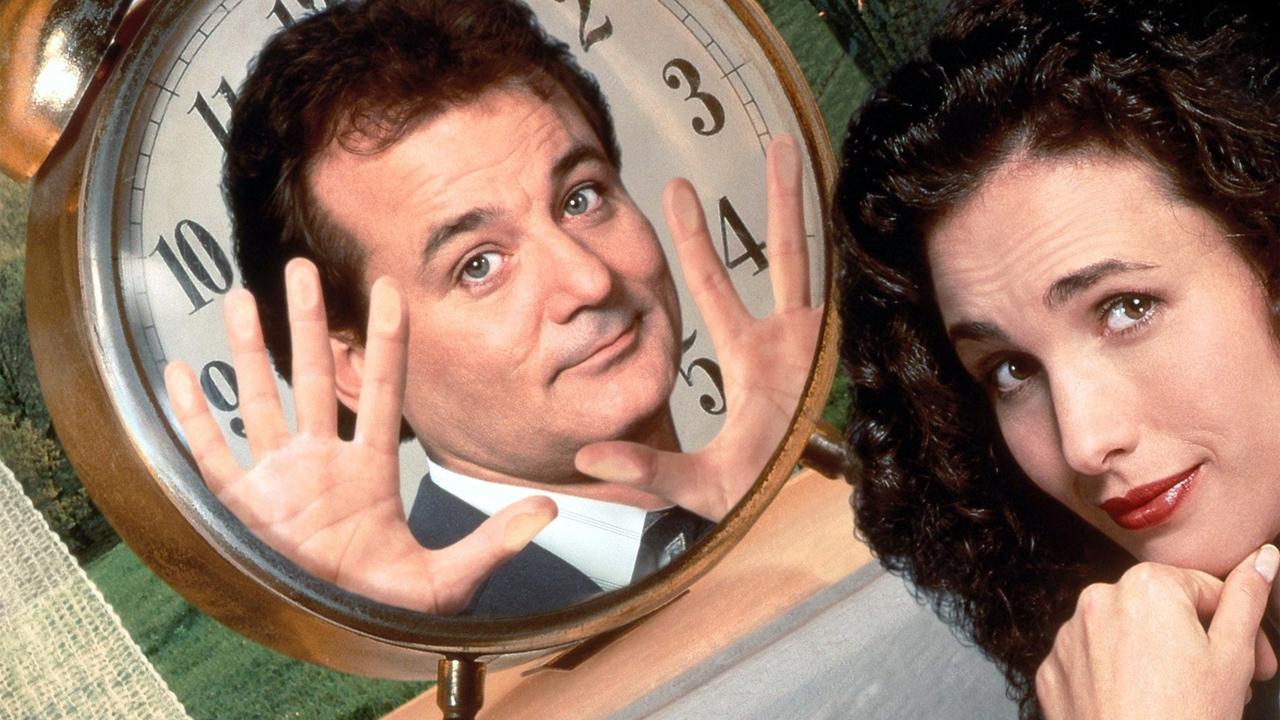
F5Movies: comedy movies to refresh your evening, from Groundhog Day, Big and Liar Liar to Elf, Little Miss Sunshine, Paddington and The Fall Guy, and where to watch them
176 comedies from 1981 to 2024, each with its cast, its director and a Watch now button.
★ 7.8Back to the Future Part II1989 ★ 6.8Home Alone 2: Lost in New York1992
 ★ 6.9Jumanji: The Next Level2019
 ★ 7.4The Terminal2004
 ★ 7.6To All the Boys I've Loved Before2018
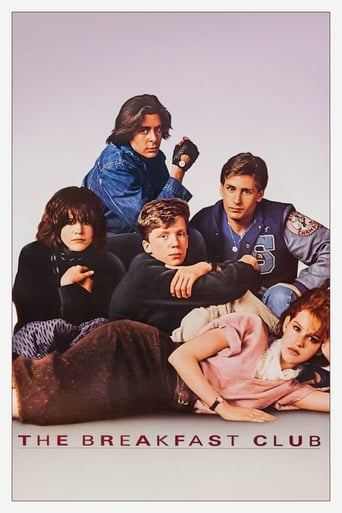 ★ 7.7The Breakfast Club1985
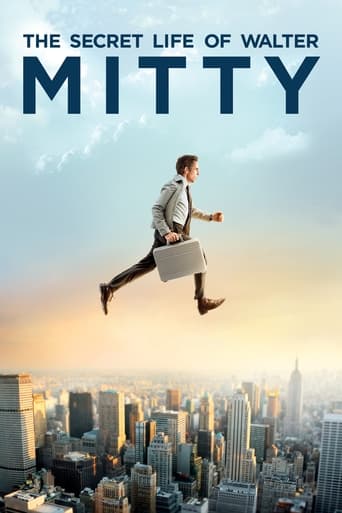 ★ 7.2The Secret Life of Walter Mitty2013
 ★ 7.7Little Miss Sunshine2006
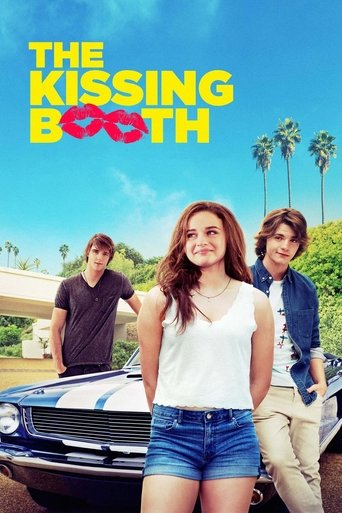 ★ 7.2The Kissing Booth2018
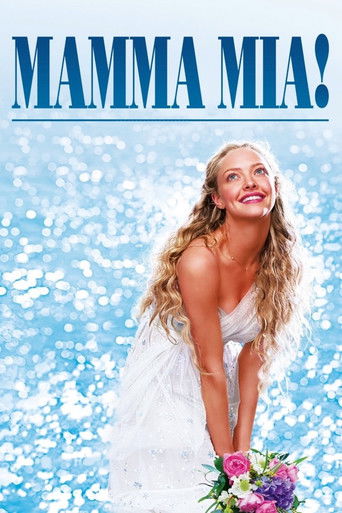 ★ 7.0Mamma Mia!2008
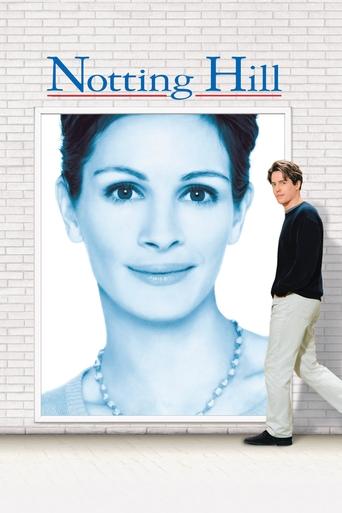 ★ 7.3Notting Hill1999
 ★ 6.7Liar Liar1997
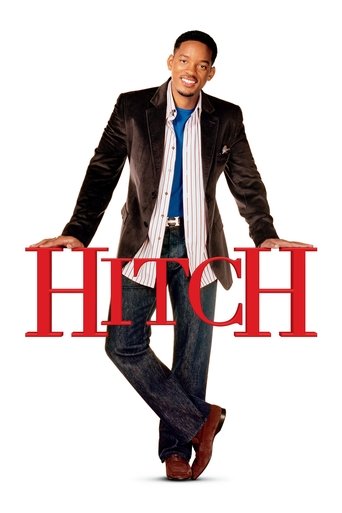 ★ 6.6Hitch2005
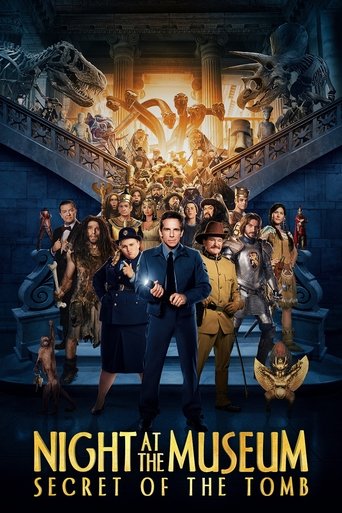 ★ 6.2Night at the Museum: Secret of the Tomb2014
 ★ 7.3Jungle Cruise2021
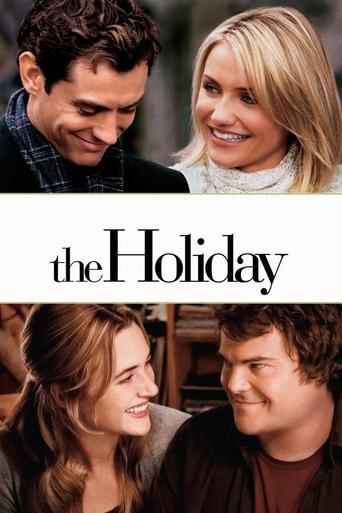 ★ 7.1The Holiday2006
Romantic comedies ›View more (77) »
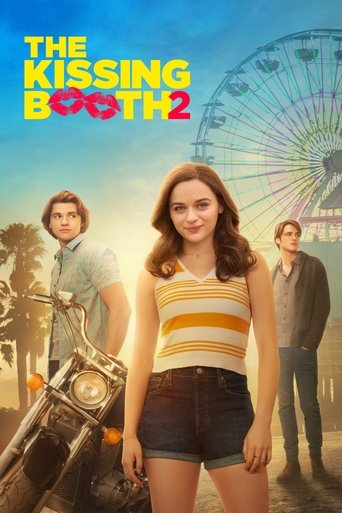 ★ 7.6
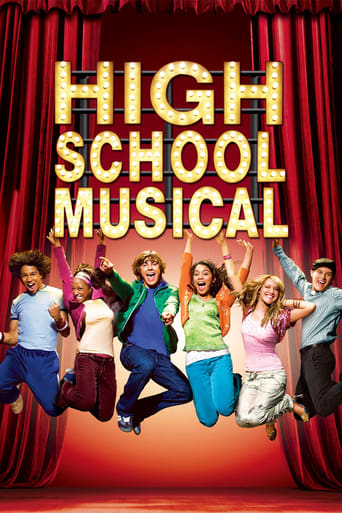 ★ 6.5
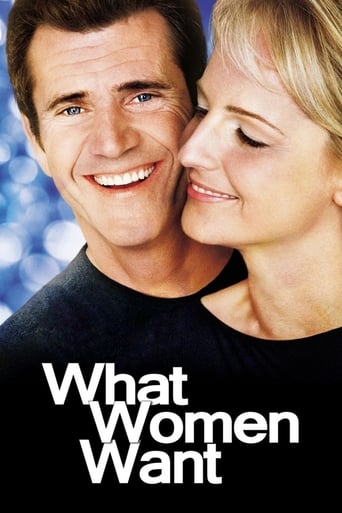 ★ 6.5
 ★ 6.9
 ★ 7.0
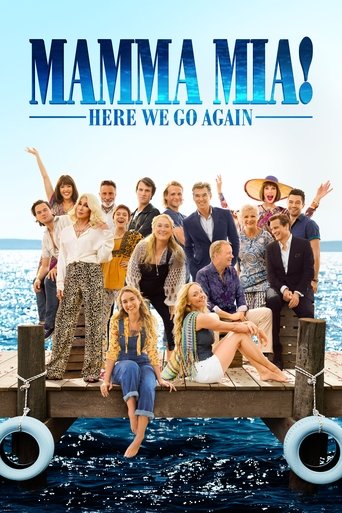 ★ 7.1
 ★ 6.5
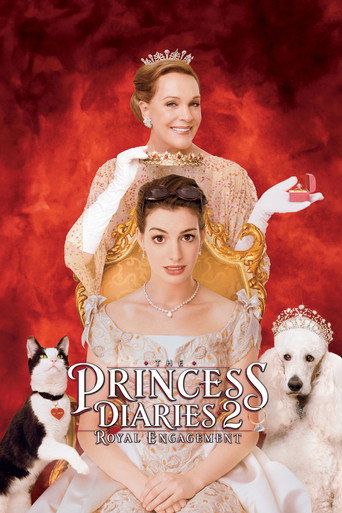 ★ 6.7
Family comedies ›View more (62) »
 ★ 6.1
 ★ 7.2
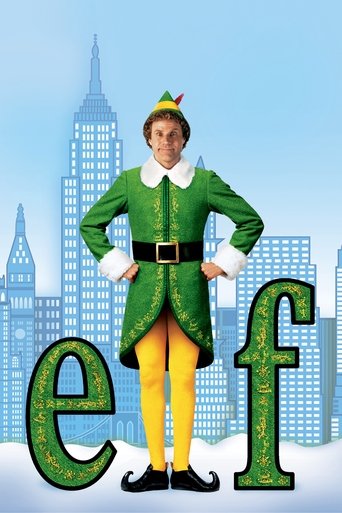 ★ 6.7
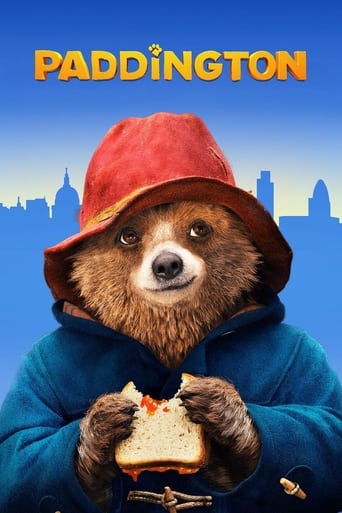 ★ 7.1
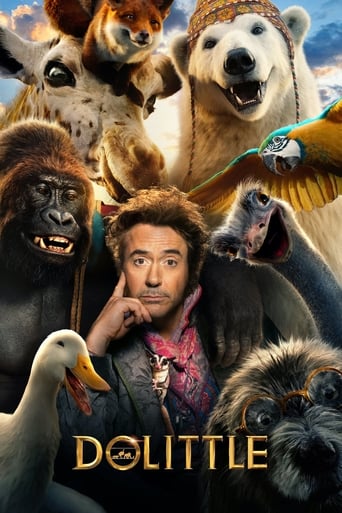 ★ 6.6
 ★ 6.5
 ★ 6.5
 ★ 6.5
High concept ›View more (56) »
 ★ 6.3
 ★ 7.2
 ★ 5.7
 ★ 6.1
 ★ 7.3
 ★ 5.4
 ★ 6.5
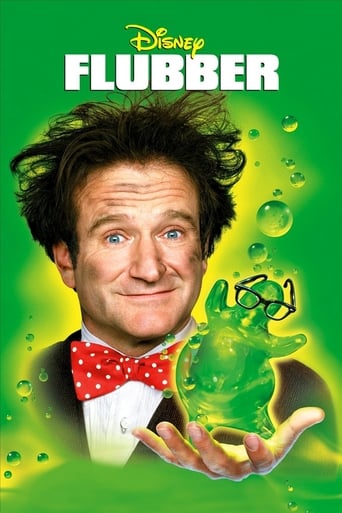 ★ 5.7
With heart ›View more (50) »
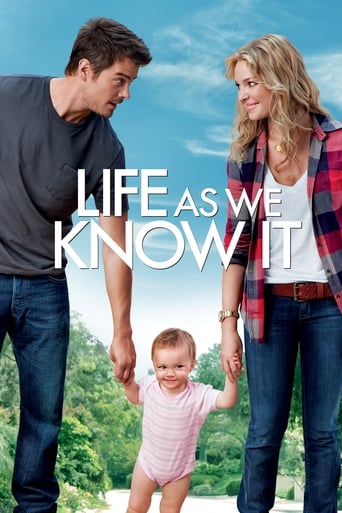 ★ 6.9
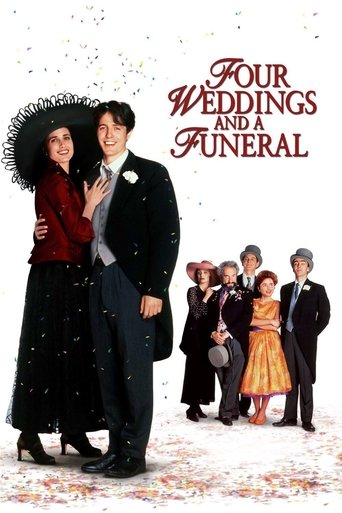 ★ 6.8
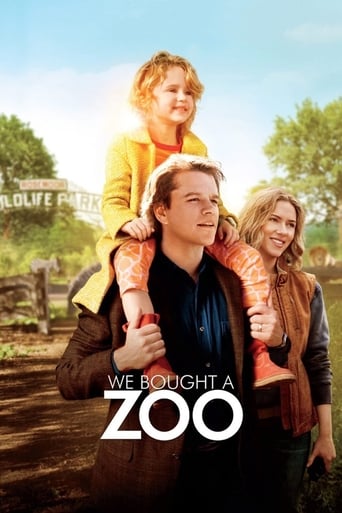 ★ 6.8
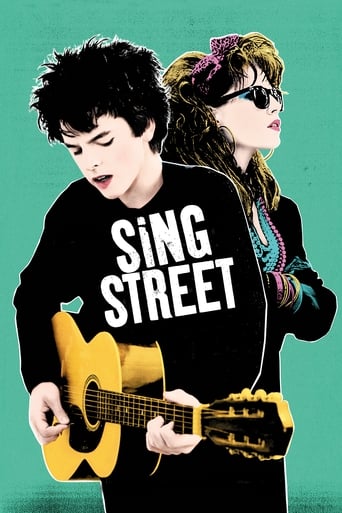 ★ 7.9
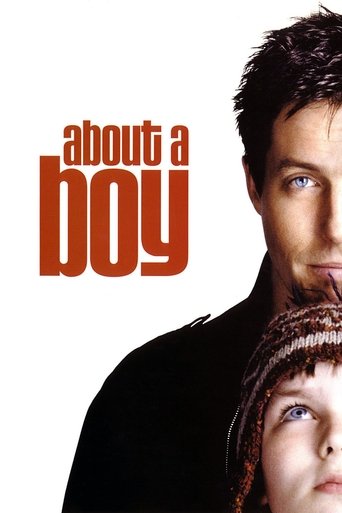 ★ 6.7
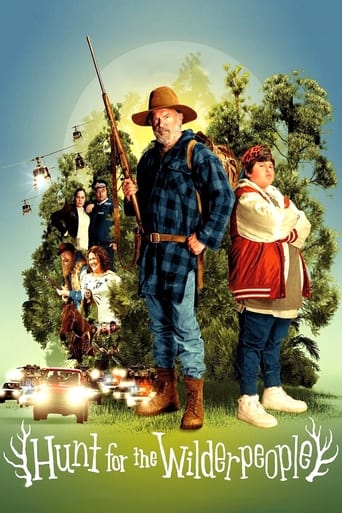 ★ 7.6
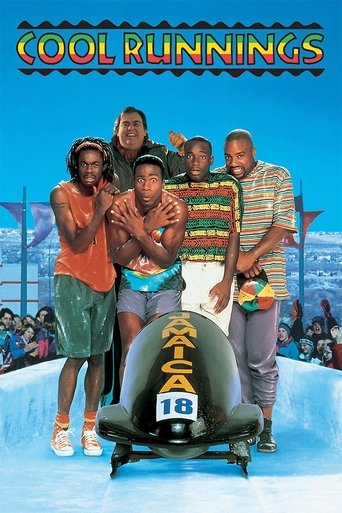 ★ 7.0
 ★ 6.5
Christmas ›View more (18) »
 ★ 7.2
 ★ 6.3
 ★ 7.2
 ★ 7.0
 ★ 6.2
 ★ 6.9
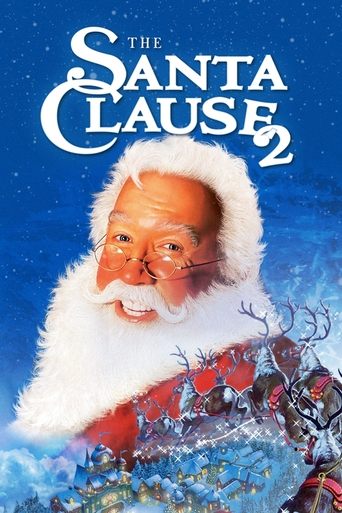 ★ 6.0
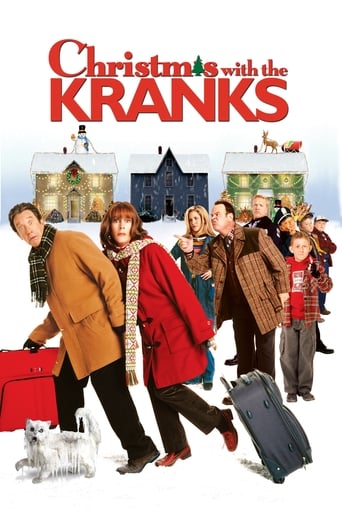 ★ 6.2
The F5Movies guide to comedy movies
F5Movies: comedy movies to refresh your evening, from Groundhog Day, Big and Liar Liar to Elf, Little Miss Sunshine, Paddington and The Fall Guy
On a computer keyboard the F5 key means refresh: press it and the page starts again, clean. F5Movies borrows the idea for the end of a long day. It is a guide to 176 comedy films, made between 1981 and 2024 by 148 directors and running to 303 hours, chosen for one purpose, which is to send the viewer to bed in a better mood than they sat down in. Every film has a page with its cast, its director, a short summary, its rating and a button that leads to the official services where it can be watched.
Comedy comes in many flavours, and the catalogue stocks most of them. Seventy-seven films are romantic comedies and sixty-two are family comedies. Fifty-six are built on a fantastic premise, a wish, a time loop, a talking animal, and fifty are comedies with a serious heart. Thirty-two are set at school or on campus, twenty-seven sing, eighteen belong to Christmas, eighteen turn on a wedding and seventeen have an animal in a leading part. Thirteen were made before 1990, twenty-four in the 1990s, fifty-seven in the 2000s, sixty-three in the 2010s and nineteen in the 2020s. Forty-four hold an audience rating of seven or higher.
The Watch now button opens JustWatch for the country you choose and shows the subscription, rental, purchase and free services that carry the film there. F5Movies itself is a guide: it describes, sorts and points the way. The how to watch page explains the steps in a few lines.
Why comedy is worth taking seriously
Comedy is the genre that critics praise least and audiences return to most. A drama may be admired once and remembered with respect. A good comedy is watched every year, quoted at work, shown to children as soon as they are old enough and put on again when someone in the house is ill. By the simple test of how often a film is used, the comedies win.
They are also very hard to make. A joke depends on timing measured in fractions of a second, and a comic performance that looks effortless has usually been built from dozens of takes. The best films on this guide, Groundhog Day, Little Miss Sunshine, Paddington, are as carefully constructed as any thriller, each laugh prepared by something planted twenty minutes earlier. Watching them twice reveals the workmanship.
And comedy does something useful. Laughter loosens a day's worth of tension in a way that few other pleasures manage, and a household that has laughed together in the evening is on better terms the next morning. This guide was assembled with that effect in mind. The films are kind as well as funny; their targets are pomposity, bad luck and the ordinary absurdity of family life. The finding titles page lists every route into the catalogue.
High concept: one strange idea
Fifty-six films begin with a premise that can be told in a sentence and could happen only in a film. Hollywood calls this high concept, and comedy is its natural home. Groundhog Day is the finest example ever made. A sour television weatherman is sent to a small town to cover a festival and wakes the next morning to find it is the same day again, and again, and again. The film leaves the cause a mystery. It simply follows him through despair, mischief and boredom to the discovery that a day well spent is a day spent on other people.
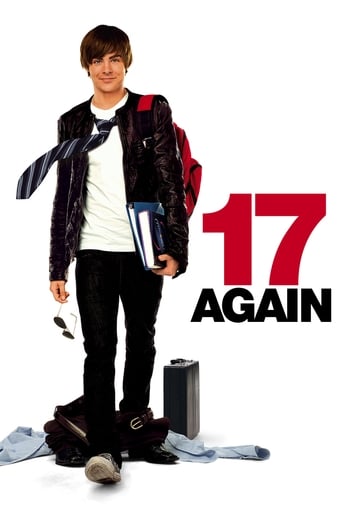
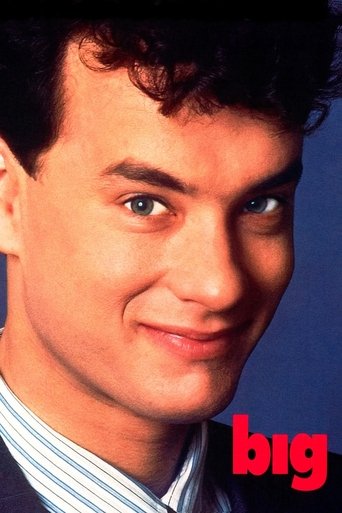
Big grants a twelve-year-old his wish to be grown up, and Tom Hanks plays the result with a child's walk and a child's honesty, dancing on a giant keyboard in a toy shop and baffling his colleagues by actually enjoying the toys. Liar Liar takes away a lawyer's ability to lie for twenty-four hours. 17 Again sends a disappointed father back to the body he had at school, and The Kid introduces a brisk consultant to himself at the age of eight.
Science goes cheerfully wrong in a whole family of these films. Innerspace shrinks a pilot and injects him into a supermarket clerk. Honey, I Blew Up the Kid enlarges a toddler, Flubber invents a rubber with a will of its own, and Back to the Future Part II tangles three time zones around one sports almanac. Bill & Ted's Excellent Adventure collects Napoleon, Socrates and Joan of Arc for a history presentation, and Bill & Ted Face the Music catches up with the pair in middle age.
Magic supplies the remainder. A board game swallows its players in Jumanji: The Next Level. A museum wakes after dark in Night at the Museum: Secret of the Tomb. A mermaid walks into Manhattan in Splash, a duke of 1876 arrives in the same city in Kate & Leopold, and imaginary friends look for work in IF. The high concept page sorts the shelf by kind of trick.
Romantic comedies
Seventy-seven films are romantic comedies, the form in which two people who are plainly meant for each other spend ninety minutes failing to notice. Britain contributes some of the best. Four Weddings and a Funeral introduced a tongue-tied Englishman and the American he keeps meeting at other people's ceremonies. Notting Hill put the same actor behind the counter of a travel bookshop and sent a film star through the door, and About a Boy gave him a selfish bachelor reformed by a twelve-year-old.
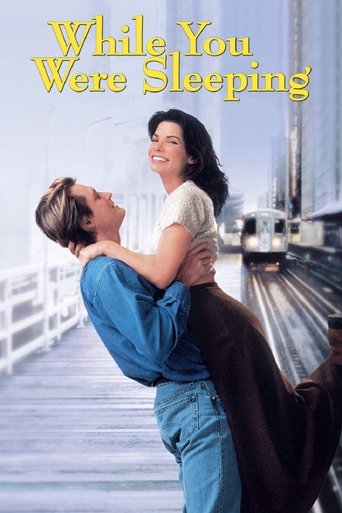
The American tradition is broader and louder. Hitch is about a professional adviser to shy men who loses his own nerve. While You Were Sleeping lets a lonely ticket clerk be mistaken for the fiancée of a man in a coma. The Wedding Singer sets its courtship among the fashions of 1985, What Women Want gives an advertising man the power to hear women's thoughts, and Overboard persuades an heiress with amnesia that she is a carpenter's wife.
A long run of films from the 2000s keeps the shelf full: 27 Dresses, The Holiday, Sweet Home Alabama, Maid in Manhattan, The Wedding Planner, Failure to Launch, Just Friends and Music and Lyrics. They share a brightness, a pair of likeable stars and a guarantee that things will end well, which on some evenings is exactly what is wanted.
The newest generation arrived by streaming. To All the Boys I've Loved Before and its sequels, the The Kissing Booth films, The Perfect Date, Love Hard and Upgraded found large young audiences at home, while Crazy Rich Asians proved that a romantic comedy could still fill cinemas. The romantic comedies page picks a dozen to start with, and the shelf holds all seventy-seven.
Family comedies
Sixty-two films are comedies for the whole household. The classic form is domestic disaster. In Home Alone 2: Lost in New York, a ten-year-old boards the wrong plane and enjoys a luxury hotel on his father's credit card until two old enemies find him. Cheaper by the Dozen and its sequel give two parents twelve children. MouseHunt sets two brothers against a single mouse, and Beethoven and Beethoven's 2nd introduce a very tidy father to a very large dog.
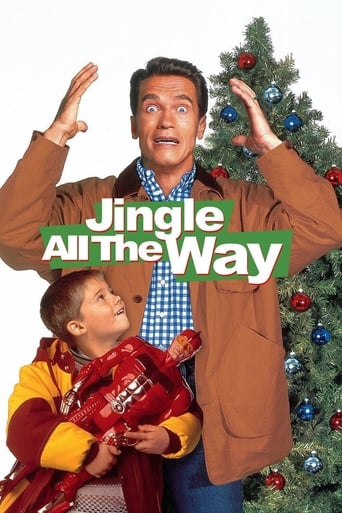
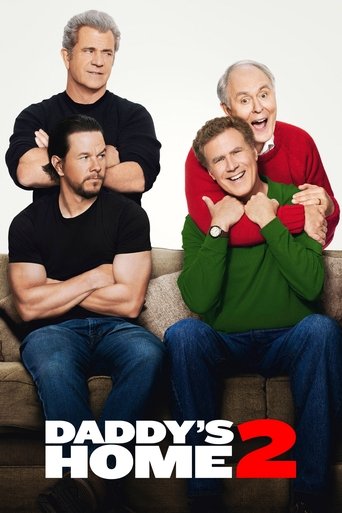
Fathers are the genre's favourite victims. Daddy Day Care puts two redundant executives in charge of a nursery. The Game Plan delivers a small daughter to a football star's bachelor flat. Jingle All the Way sends a salesman across a city for the last toy on the shelves, RV shuts a family in a motor home, and Daddy's Home and Daddy's Home 2 set a stepfather against a father and then both against the grandfathers.
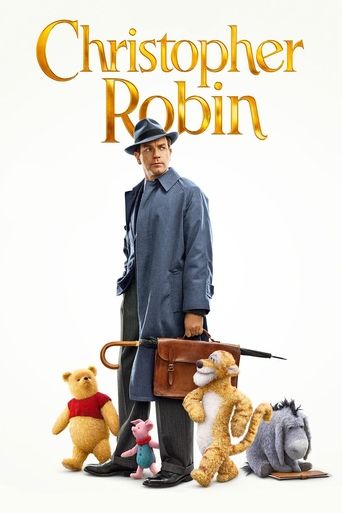
The gentlest family comedies are also the best made. Paddington is a small masterpiece of timing and warmth, with a bear whose good manners cause chaos wherever he goes. Christopher Robin reunites a tired adult with the toys of his boyhood. The Muppets brings a troupe back together for one more show, and Stuart Little 2, Charlotte's Web and Mr. Popper's Penguins are kind, funny and short.
Children's own point of view is well represented. The three Diary of a Wimpy Kid films follow a boy of eleven through the politics of middle school. The Sandlot remembers a summer of baseball in 1962. Dora and the Lost City of Gold turns a cartoon explorer into a teenager who finds high school more alarming than the jungle. The family comedies page sorts the shelf by age.
Comedies with heart
Fifty films are funny and something more. They are sometimes called comedy dramas, an awkward name for the films many viewers love best. Little Miss Sunshine is the model: six members of a struggling family drive a failing van across three states so that the youngest can enter a children's pageant, and each of them is quietly rescued along the way. It won two Academy Awards and is funnier on a third viewing than a first.
A common pattern pairs a lost young person with an unlikely guide. In The Way Way Back it is the manager of a water park. In Hunt for the Wilderpeople it is a gruff uncle in the New Zealand bush, and in The Peanut Butter Falcon a fisherman on the run. About a Boy reverses the roles and lets a child guide an adult, and The Kings of Summer lets three boys try to guide themselves.
Others are about starting again. Chef follows a cook from a smart restaurant to a food truck and back to himself. The Terminal makes a home in an airport. Larry Crowne goes back to college in middle age, The Upside finds friendship between a wealthy man and his new carer, and We Bought a Zoo does what its title says. The Family Stone and Jersey Girl find comedy and comfort in families under strain. The comedies with heart page lists the shelf.
The eighties
Thirteen comedies come from the 1980s, and they have a confidence that later decades envy. John Hughes is responsible for three of them. The Breakfast Club puts five pupils in Saturday detention and lets them talk. Ferris Bueller's Day Off follows a boy who talks his way out of school and into the best day of his life, addressing the camera as he goes. National Lampoon's Christmas Vacation, which Hughes wrote, is an hour and a half of festive plans collapsing one after another.
The decade loved fantasy as much as school. Big, Splash and Innerspace have been mentioned. Time Bandits, the oldest film on the site, sends a boy through history with six unreliable guides. ¡Three Amigos! mistakes three silent-film actors for real gunfighters, and Bill & Ted's Excellent Adventure closes the decade in a time-travelling telephone box.
The romantic comedies of the period have aged gracefully. Working Girl is about a secretary with better ideas than her boss. Overboard is a screwball comedy in modern dress, and Say Anything... is the most sincere film ever made about a boy with a stereo. The eighties page sets them in order.
The nineties
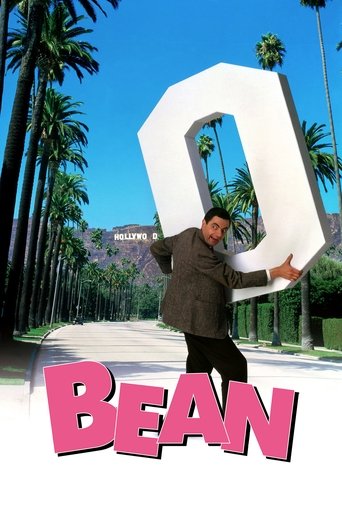
Twenty-four comedies date from the 1990s, the last decade in which a star comedian could fill cinemas on a name alone. Liar Liar exists to let Jim Carrey wrestle with his own face. Tommy Boy sends Chris Farley and David Spade across the Midwest selling brake pads. What About Bob? attaches Bill Murray's needy patient to his psychiatrist's family holiday, and Bean lets Rowan Atkinson loose in an American art gallery.
It was also the decade of Groundhog Day, Notting Hill, Four Weddings and a Funeral, My Best Friend's Wedding and Runaway Bride, and of a remarkable run of family comedies: Home Alone 2: Lost in New York, Beethoven, The Sandlot, Flubber, MouseHunt, Doctor Dolittle and Jingle All the Way. Cool Runnings, the true story of a Jamaican bobsleigh team, and Father of the Bride complete a decade with hardly a weak year. The nineties page picks nine.
Music and song
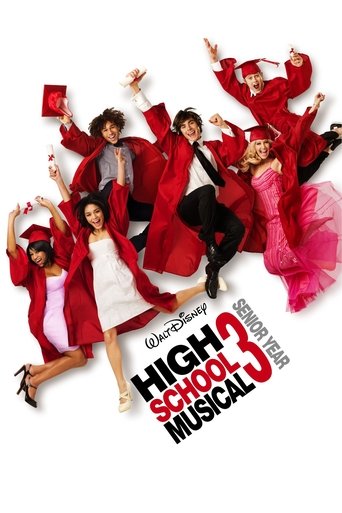
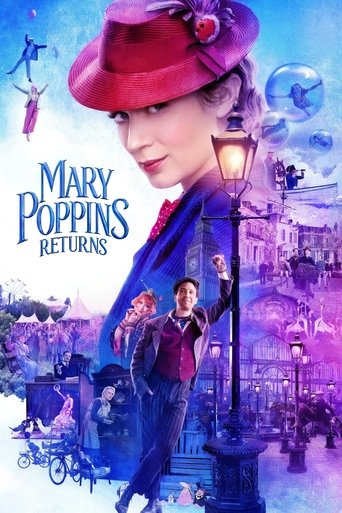
Twenty-seven comedies sing. Mamma Mia! is the happiest of them, a wedding on a Greek island set to the songs of ABBA and performed by a cast having the time of their lives. Mamma Mia! Here We Go Again continues the story, and Mary Poppins Returns revisits a much-loved nanny. The three High School Musical films are comedies as much as musicals, and Teen Beach Movie, Lemonade Mouth and Starstruck follow in their steps.
The a cappella comedies Pitch Perfect 2 and Pitch Perfect 3 are sharper than they look, with arrangements worth hearing in their own right. Eurovision Song Contest: The Story of Fire Saga is an affectionate send-up of a great European institution. Sing Street forms a band in a Dublin school, Music and Lyrics writes a pop song in a week, and The Wedding Singer performs other people's favourites. The music and song page suggests where to begin.
School and campus
Thirty-two comedies are set among lockers and lecture halls. The two great films of the 1980s lead the shelf. Their descendants are many. To All the Boys I've Loved Before, The Kissing Booth, The Perfect Date and Tall Girl are romances of the corridor. A Cinderella Story and its successors put a fairy tale in a school uniform, and Eighth Grade is an honest, funny account of being thirteen.
Adults go back to school as well. In 17 Again a father attends classes beside his own children. In Life of the Party a mother enrols at her daughter's university, and in Larry Crowne a man of middle age discovers that he likes studying. The Prince & Me and First Daughter send royalty and a president's child to campus in disguise. The school and campus page lists them.
Weddings
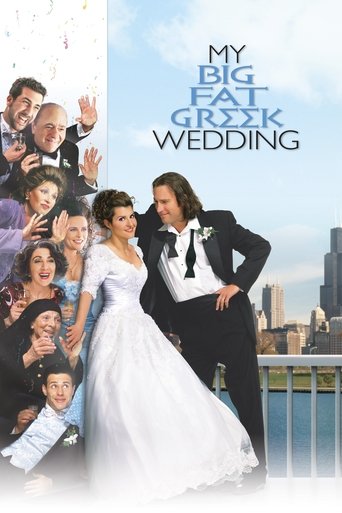
Eighteen comedies revolve around a wedding. The ceremony is a gift to comedy: a fixed date, a large cast, expensive clothes and every possibility of public embarrassment. Four Weddings and a Funeral makes a whole film of them. My Big Fat Greek Wedding is about marrying into a family of thirty, and Father of the Bride about paying for it.
27 Dresses, Bride Wars and Table 19 look at the day from the edges, among the bridesmaids, the rivals and the guests seated nearest the kitchen. Runaway Bride and My Best Friend's Wedding ask whether the ceremony should happen at all. The Wedding Planner, The Wedding Date, You Again and Guess Who complete the shelf. The weddings page has the list.
Christmas comedies
Eighteen comedies belong to December, when the wish to laugh is strongest and the opportunities for domestic disaster are greatest. Elf is the modern classic: a human raised by Santa's helpers arrives in New York in a green tunic and treats the city as one enormous toy shop. Home Alone 2: Lost in New York and National Lampoon's Christmas Vacation complete the trio that many households watch every year.
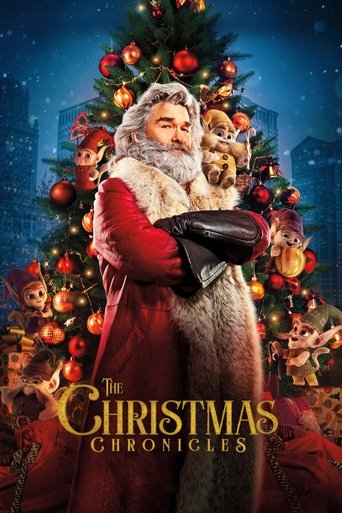
Santa himself is played for laughs in The Santa Clause 2 and The Santa Clause 3: The Escape Clause, where the job comes with a contract, and in The Christmas Chronicles and its second part, where he has a fast sleigh and a sense of humour. Jingle All the Way is the comedy of the forgotten present.
The family gathering supplies the rest. Four Christmases visits four divorced parents in one day. The Family Stone introduces a nervous girlfriend to a close and critical clan, Christmas with the Kranks follows a couple who try to skip the season, and Daddy's Home 2 brings two grandfathers to stay. The Holiday, Love Hard and The Knight Before Christmas are the romantic choices. The Christmas comedies page puts them in order.
Animal comedies
Seventeen comedies give a leading part to a creature, and animals are reliable comedians, since they do exactly as they please. Beethoven is a St Bernard who grows from a stolen puppy into two hundred pounds of affectionate destruction. Marley & Me is a Labrador who eats sofas and wins hearts. Homeward Bound: The Incredible Journey gives two dogs and a cat voices and a mountain range to cross.
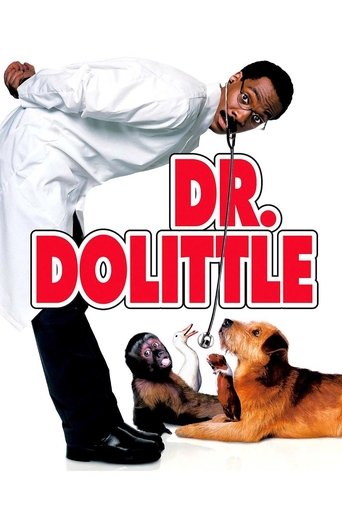
Small animals do as well as large ones. The mouse of MouseHunt defeats two grown men, an exterminator and a nail gun. Stuart Little 2 and Garfield: A Tail of Two Kitties are for younger viewers, Doctor Dolittle and Dolittle let the whole animal kingdom talk at once, and Mr. Popper's Penguins turns a smart flat into a skating rink. Paddington, the most polite animal in cinema, belongs here as much as anywhere. The animal comedies page groups them by species.
The comedians
Comedy is carried by performers, and several appear often enough to be followed. Jim Carrey is at full stretch in Liar Liar and gentler in Mr. Popper's Penguins. Will Ferrell is the innocent of Elf, the mild stepfather of Daddy's Home and an Icelandic singer in Eurovision Song Contest: The Story of Fire Saga. Bill Murray has Groundhog Day and What About Bob?, two studies in how a difficult man becomes a likeable one.
Eddie Murphy talks to animals in Doctor Dolittle and runs a nursery in Daddy Day Care. Steve Martin appears in ¡Three Amigos!, Father of the Bride and both Cheaper by the Dozen films. Robin Williams is in Flubber, RV and Night at the Museum: Secret of the Tomb. Rowan Atkinson is Mr Bean twice, and Tom Hanks is seen at the start of his career in Splash and Big.
The leading women of the genre are as familiar. Julia Roberts has Notting Hill, My Best Friend's Wedding and Runaway Bride. Sandra Bullock, Reese Witherspoon, Jennifer Lopez, Katherine Heigl and Kate Hudson each lead several romantic comedies, and Melissa McCarthy, Rebel Wilson and Anna Kendrick represent the newer generation. The comedians page offers a starting point, and typing any name into the search field gathers the films at once.
How a film joke works
It adds to the pleasure of a comedy to notice how it is built. The simplest device is the set-up and pay-off. Early in Groundhog Day a man steps into a puddle; the puddle returns every morning until he learns to step around it, and by then the audience is waiting for it like an old friend. Paddington plants a roll of sticky tape in one scene and collects on it three scenes later.
A second device is escalation. National Lampoon's Christmas Vacation begins with a tree that is slightly too large and ends with the house in ruins, each mishap a little worse than the last. MouseHunt and Home Alone 2: Lost in New York work the same way, and the laughter comes from knowing that worse is on its way.
A third is the straight face. The funniest people in The Breakfast Club, Little Miss Sunshine and Hunt for the Wilderpeople are entirely serious about what they want. Comedy that winks at the audience tires quickly; comedy played as if it mattered can be watched for ever. The best comic actors, from Bill Murray to Ben Whishaw as the voice of a bear, understand this completely.
The last ingredient is affection. The films on this guide like their characters, including the foolish ones. That is why they can be shared across ages and watched again and again, and why they refresh instead of merely distracting.
The 2000s to now
A hundred and thirty-nine of the 176 comedies were made in this century. The 2000s contribute fifty-seven, led by Elf, Hitch, Little Miss Sunshine, The Holiday, Mamma Mia! and Marley & Me, along with the decade's long list of romantic and family comedies. It was a generous period for the mid-sized comedy, with a star or two and a simple idea.
The 2010s have sixty-three. Their best include Paddington, Chef, Hunt for the Wilderpeople, Sing Street, Crazy Rich Asians, The Way Way Back and Eighth Grade, and they show the genre growing warmer and more varied in its faces and settings. Streaming arrived in the second half of the decade and brought the teenage romantic comedy back with it.
The 2020s already hold nineteen. The Fall Guy is a comedy about stunt performers with a romance at its centre. Jungle Cruise revives the adventure comedy. Eurovision Song Contest: The Story of Fire Saga, Love Hard, Upgraded, IF and Bill & Ted Face the Music keep the shelves fresh, and BlackBerry finds dark-edged laughter in the true story of a telephone. The decade shelves on the site list each period in full.
A comedy for every mood
Laughter comes in different sizes, and it helps to match the film to the evening. When the day has been hard and the only requirement is to stop thinking, choose something broad and physical: Liar Liar, Bean, MouseHunt or Tommy Boy. When the house is full and attention is scattered, choose something everybody knows, Home Alone 2: Lost in New York or Elf, which survive interruption.
When you want to laugh and feel something as well, go to the comedies with heart: Little Miss Sunshine, Chef, The Peanut Butter Falcon. When you want wit, the British films and Groundhog Day are the place to look. For romance with jokes, Notting Hill and While You Were Sleeping are dependable, and for a dose of pure nostalgia the eighties shelf has thirteen cures.
With children in the room, Paddington, Stuart Little 2 and The Muppets please every age at once. With teenagers, try Ferris Bueller's Day Off, 17 Again or Pitch Perfect 2. And on a Sunday afternoon in winter, when time is plentiful, The Holiday or About a Boy will fill it kindly.
Comedies in pairs
Some films are funnier beside another. Watch Big and then 17 Again: a boy who wants to be a man and a man who wants to be a boy. Follow The Breakfast Club with Eighth Grade and see how the school film changed in thirty-three years while the feelings stayed the same. Put Four Weddings and a Funeral before Notting Hill and watch one actor and one writer refine a formula.
Bill & Ted's Excellent Adventure and Bill & Ted Face the Music are separated by thirty-one years and joined by the same two friends. Mamma Mia! and its sequel, Daddy's Home and its sequel, and the two Pitch Perfect 2 and Pitch Perfect 3 films make easy double bills. Father of the Bride and My Big Fat Greek Wedding show the same event from the father's chair and the bride's.
For a themed evening, pair two films with the same star at different ages. Tom Hanks in Splash and The Terminal is twenty years of charm. Bill Murray in What About Bob? and Groundhog Day is two years and a world of difference. Will Ferrell in Elf and Eurovision Song Contest: The Story of Fire Saga is the same sweet-natured innocent in two silly costumes.
The top-rated shelf
Forty-four comedies hold an average of seven or higher. The shelf is led by Sing Street, Back to the Future Part II, The Breakfast Club, Little Miss Sunshine, Groundhog Day, Hunt for the Wilderpeople, Ferris Bueller's Day Off and The Sandlot, with The Terminal, Paddington, Big and Chef close behind. It is the place to look when the evening has to be a success. The Top rated shelf lists them in order.
The British touch
British comedy has a recognisable manner, dry, self-mocking and fond of embarrassment, and the catalogue holds a good sample. Richard Curtis wrote both Four Weddings and a Funeral and Notting Hill, which made hesitation and apology into a romantic style. About a Boy, from a novel by Nick Hornby, gave the same leading man a part with more bite. Man Up compresses a whole courtship into one mistaken blind date across a London evening.
Rowan Atkinson's Mr Bean belongs to a much older tradition of wordless clowning. In Bean he is sent to America as an art expert and manages to damage the most famous painting in the country; in Mr. Bean's Holiday he wins a trip to the French coast and takes the longest possible route. Both films can be enjoyed with the sound off, which is a rare thing to say of a modern comedy.
Paddington is the finest recent example of the British touch, a film in which good manners are both the joke and the moral. Stan & Ollie looks back with tenderness at Laurel and Hardy on their last tour of British theatres, and Florence Foster Jenkins, The Hundred-Foot Journey and Wimbledon share the same gentle temper. From further afield, Sing Street is Irish and Hunt for the Wilderpeople is from New Zealand, and both have that same habit of saying less than they feel.
Laughing at every age
What makes people laugh changes with the years, and a household that knows this can choose well. Small children laugh at surprise and mess: a bear flooding a bathroom, a mouse outwitting a cat, a dog shaking mud across a clean room. Paddington, Stuart Little 2, Beethoven and MouseHunt are built from exactly these things.
From about eight, children begin to enjoy trickery and adults being fooled, which is the whole business of Home Alone 2: Lost in New York and Ferris Bueller's Day Off. By twelve they like comedy about their own world: school, friends, the unfairness of siblings. The Diary of a Wimpy Kid films and The Sandlot speak that language.
Teenagers want comedies that take their feelings seriously, such as The Breakfast Club, Eighth Grade and To All the Boys I've Loved Before. Adults in their twenties and thirties often favour the comedies of work and romance, and older viewers the comedies of family and second chances: Father of the Bride, The Family Stone, Larry Crowne. The pleasant discovery is how many films here cross those lines. Groundhog Day, Big and Elf are laughed at by everyone in the room, each for a different reason.
Where the laughter happens
Comedies are fond of certain places. New York is the capital: Kevin's hotel, Buddy's department store, the toy shop with the giant piano, the offices of Working Girl, the fountain of Splash and the skating rink of Serendipity. Chicago belongs to John Hughes, whose school library and parade route are visited by admirers every year. London has its bookshop, its bear and its weddings.
Small towns do well too. Punxsutawney, Pennsylvania, is known around the world for a single February morning. The lakeside town of What About Bob?, the Greek island of Mamma Mia!, the Dublin of Sing Street and the New Zealand bush of Hunt for the Wilderpeople are all characters in their own films. Crazy Rich Asians made Singapore a holiday ambition for millions.
The road is a comic setting in its own right. Little Miss Sunshine, Tommy Boy, RV and Rat Race all discover that putting people in a vehicle for several days is a dependable way to make them funny. So is putting them in a single building: a school in detention, an airport terminal, a museum at night, a house at Christmas. Comedy likes its characters to have nowhere to hide.
Ten comedies worth discovering
The famous titles are easy to find, so here are ten that deserve more viewers. Hunt for the Wilderpeople is the funniest film of its year and one of the kindest. The Way Way Back and The Kings of Summer are two small gems about being fourteen. What If is a romantic comedy with real wit, and Man Up is a perfect ninety minutes.
Innerspace is a neglected delight of the 1980s. Time Bandits is as inventive as anything since. Stan & Ollie is a lovely film about friendship, The Hundred-Foot Journey is a comedy of two kitchens, and Table 19 finds affection among the least wanted guests at a wedding. Each is a short search away.
Kinds of funny
It helps to have names for the ways a film can make you laugh, since most people have a favourite and are unsure what to call it. Slapstick is the oldest: bodies falling, objects flying, a plan going physically wrong. Home Alone 2: Lost in New York, MouseHunt and both Bean films are modern slapstick, and they descend directly from the silent clowns.
The comedy of character is quieter. Its laughs come from watching a particular person behave exactly as they must: the fussy psychiatrist of What About Bob?, the proud father of My Big Fat Greek Wedding, the grandfather of Little Miss Sunshine. Farce is character under pressure, a lie that has to be kept up at increasing cost, as in While You Were Sleeping, Overboard and Upgraded.
Fish-out-of-water comedy drops someone into a world whose rules are new to them. Buddy in New York, a bear in London, a mermaid in a department store, a duke in a modern lift: the stranger's innocence shows the rest of us how odd our habits are. Satire, the sharpest kind, is rare on a guide chosen for good nature, though BlackBerry and Working Girl have a touch of it.
The warmest kind still lacks a settled name. It is the comedy of Paddington, Chef and Hunt for the Wilderpeople, in which the laughter comes from affection and the film leaves the viewer fonder of people in general. If F5Movies has a house style, that is it.
Making a comedy night
Comedy is the most social of genres, and it improves with company. Laughter is catching; a joke that earns a smile alone can bring a room to tears. For a comedy night with friends, choose something most of the group has seen before, since familiar comedies get the loudest response. Groundhog Day, Elf, Mamma Mia! and The Breakfast Club are proven.
A double bill works well if the two films differ. Follow something broad with something gentle, or an old favourite with a newer one: Liar Liar and then Chef, or Big and then The Fall Guy. Keep the lights low and the interruptions few, because comic timing suffers more than drama from a paused screen.
For a family, let each person nominate one comedy a month and keep a running tally of which earned the most laughter. Children take the vote very seriously, and the results are usually a surprise. A household's shared sense of humour is one of its real possessions, and it is built in exactly this way, one evening at a time.
Funny and true
Some of the comedies on the site happen to be true. Cool Runnings is based on the Jamaican bobsleigh team that competed at the Winter Olympics of 1988, and its good humour made it one of the best-loved sports films of its decade. We Bought a Zoo comes from the memoir of a family who did so. Stan & Ollie follows the real last tour of two great comedians, and Florence Foster Jenkins the real career of a singer whose enthusiasm exceeded her gift.
The Upside retells a true friendship between a wealthy man and his carer. BlackBerry is the story of the first smartphone and the people who built it, told with a nervous comic energy. The Terminal was inspired by a traveller who lived for years in an airport, and Chef drew on the experience of a real food-truck cook who advised the production.
True comedies have a particular charm, because life seldom arranges itself into jokes. When it does, and a film-maker has the tact to let the events speak, the result is laughter with a little wonder mixed in. They are good choices for viewers who claim to prefer documentaries.
The quiet laugh
A last word for the films that amuse more than they convulse. The Hundred-Foot Journey is a comedy of manners between two restaurants, one Indian and one French, on opposite sides of a village road. The Secret Life of Walter Mitty is about a daydreamer who finally goes somewhere. Larry Crowne, Morning Glory and Home Again are comedies of work and middle life that raise a smile every few minutes and ask for little else.
These are the films for a weeknight when a full-throated farce would be too much. They refresh in the gentlest way, like opening a window. The catalogue keeps plenty of them, and the comedies with heart shelf is where most of them live.
The people behind the laughs
Comedy directors and writers are less celebrated than the stars, and following them is a rewarding way through the catalogue. Harold Ramis directed Groundhog Day and co-wrote it, having spent years refining its idea. Penny Marshall directed Big. John Hughes wrote and directed two of the eighties films and wrote several more. Frank Oz, better known as a puppeteer, directed What About Bob?, and Jon Favreau made both Elf and Chef, seventeen years apart.
Among the writers, Richard Curtis shaped the British romantic comedy, and Nancy Meyers, who directed What Women Want and The Holiday, the American one. Taika Waititi wrote and directed Hunt for the Wilderpeople, Paul King the first Paddington, and John Carney Sing Street. Garry Marshall, a veteran of television comedy, directed Overboard and Runaway Bride.
A viewer who enjoys one film by any of these people will very probably enjoy the next. The film pages name the director, and a name typed into the search field brings up everything of theirs on the site. It is a simple habit, and it turns a single good evening into a string of them. Comedy rewards loyalty: the people who made you laugh once have usually worked out how, and are glad to do it again whenever you have an evening that needs refreshing.
Elf was Jon Favreau's second feature as a director and was filmed with deliberately old-fashioned tricks of scale, and Chef was made quickly and cheaply between far larger productions. Both have the relaxed confidence of someone doing exactly what he enjoys, and both are among the most replayed comedies on the site.
Why comedies are watched again
A thriller loses something once its ending is known. A comedy gains. The second time through, a viewer stops waiting to learn what happens and starts enjoying how it happens: a look, a pause, a line thrown away in the background. Families develop a private stock of quotations from the comedies they have watched together, and a single phrase at the supper table can bring a whole scene back.
That is why this guide leans towards films that reward return visits. Groundhog Day is practically built for the purpose, being about repetition itself. Elf is watched annually in many homes and seems funnier each December. The Breakfast Club changes as its viewers age, Big becomes more touching, and Paddington reveals another visual joke every time.
My List is a good place to keep the handful of comedies a household returns to. A shortlist of six or seven old friends, ready for the evening when new films fail to appeal, is worth more than a catalogue of thousands.
Using F5Movies
The site is built for quick choosing. The dark bar at the top carries the raspberry badge, the name, the links to the main shelves and a search field. Below a wide featured still, the first grid shows sixteen comedies with a row of tabs above it for the most watched, the top rated, the 1980s and the 1990s. Five more grids follow, eight small posters to a row, each with a raspberry corner label showing the rating and a View more link with the size of the shelf.
Clicking a poster opens the page for that comedy. The title, year, running time and rating come first, with the director, the principal cast and a short account of the premise below them. To see where it can be watched, select a country and use the Watch now button; JustWatch then lists the streaming, rental and purchase services for that place. To save it for another night, use Add to My List. Saved films are kept in the browser on your own device, appear under the My List link in the dark bar with a Remove button each, and can be written to a file from the list page. The My List page gives the full steps.
A week of refreshment
For a first week, here are seven comedies in seven keys. Begin with Groundhog Day, the one that everyone should see. On the second evening try Big, for wonder. Give the third to romance with Notting Hill, and the fourth to the family with Paddington.
The fifth evening is for a comedy with heart, Little Miss Sunshine. The sixth is for something broad and loud, Liar Liar, and the seventh for the newest film on the list, The Fall Guy. A week of evenings like that is a fair definition of refreshment, and the grids on the home page hold a hundred and sixty-nine more.
Questions and answers
The questions below are those most often asked about F5Movies, with short answers. Fuller help is on the help pages named throughout this guide, including the how to watch page.
Questions
What is F5Movies?
F5Movies is a guide to 176 comedy films made between 1981 and 2024, each with its cast, its director and a Watch now button to official services.
Why the name?
F5 is the refresh key on a keyboard, and these are comedies chosen to refresh a tired evening.
What kinds of comedy are listed?
Romantic comedies, family comedies, high-concept comedies, comedies with heart, musical comedies, Christmas comedies and more.
Which comedies are rated highest?
Forty-four hold seven or more, led by Sing Street, Back to the Future Part II, The Breakfast Club and Little Miss Sunshine.
Is the catalogue suitable for families?
Yes. The selection favours good-natured comedy, and sixty-two films sit on the Family comedies shelf.
Can I search by actor or director?
Yes. The search field accepts a title, an actor, a director or a year and shows results as you type.
How does My List work?
Press Add to My List on a film page. The shortlist lives in your browser, and the list page can save a copy as a file.
Does F5Movies host films?
F5Movies is a guide only. Every Watch now button opens JustWatch, which lists the official streaming, rental and purchase services for your country.
